
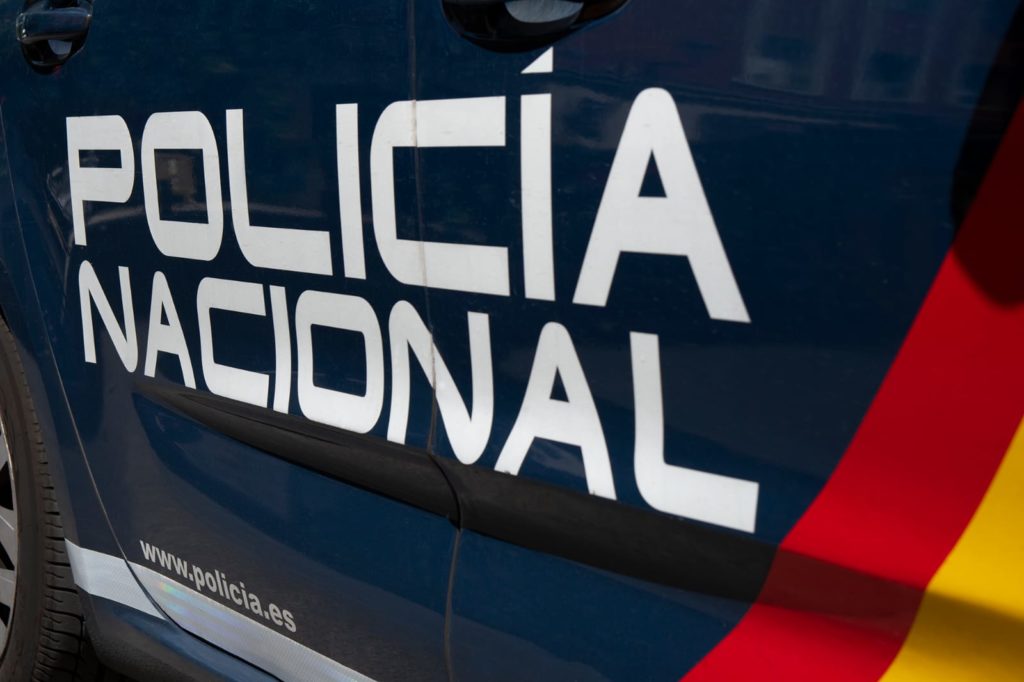
A human trafficking network has been dismantled and 18 women have been freed from sexual exploitation in a brothel-style villa in Madrid
Spanish National Police officers have dismantled a criminal organization allegedly dedicated to human trafficking for sexual exploitation and forced prostitution in the town of Móstoles (Madrid). The ringleaders forced women to dress provocatively to be photographed and advertise their services on dating websites. During their exploitation, the victims could not refuse clients or decide on the services they provided; they were forced to live in overcrowded conditions, were under 24-hour surveillance, and were required to hand over half of their earnings. Seven people have been arrested and 18 women have been freed. In addition, drugs, €10,000 in cash, and substantial evidence of the criminal activity were seized during the raid.
Constant surveillance and undignified conditions
The police investigation began in October 2025, following a report from the Villalba University Hospital (Madrid), where a woman expressed her intention to testify after being a victim of sexual exploitation. That same day, officers took a statement from the victim, who recounted the conditions she endured from her arrival in Spain until her exploitation in a villa in Móstoles (Madrid), which was being used as a brothel.
The criminal network, comprised of Spanish women, sexually exploited women in situations of particular personal and economic vulnerability. The victims were forced to sleep in the building’s basement, in cramped bunk beds, sharing a single bathroom and living in overcrowded conditions. Furthermore, they were constantly monitored and recorded, even while sleeping or changing clothes, and were forced to keep the light on at night.
Full availability and sexual ads to attract clients
The women could not refuse clients or decide on the services they provided, and they had to be available 24 hours a day. They needed authorization to leave the premises and were allowed a maximum of two hours per day. They were required to hand over 50% of their earnings, and violations of the rules were punished with fines, insults, threats, or eviction from the property with the consequent loss of their deposit.
Furthermore, the ringleaders forced the women to dress suggestively for photographs and to advertise their services on dating websites. They were aided by at least two men who worked 12-hour shifts, editing the images with photo retouching software.
Drugs as a mechanism of dependence
The organization also managed the acquisition and supply of drugs, primarily cocaine and sexual enhancers, both for clients and for the women themselves. In the case of the women, consumption led to dependency and increased their debts to the organization.
Those responsible for the criminal network had structured a commercial network with at least four identified companies, with the aim of hiding the true nature of their criminal activity.
Once all the evidence had been gathered, the execution phase was carried out in early February 2026, resulting in the arrest of seven people and a search warrant being executed. During the operation, €10,000 in cash, various doses of narcotics (cocaine and marijuana), as well as relevant documents, mobile phones, and computer and photographic equipment were seized.
As a result of the police action, 18 women were freed, several of whom were assisted by non-governmental organizations specializing in the care of this type of victim.