Operation AZUL 2.0: Polícia Judiciária leads international operation that dismantled cocaine trafficking network
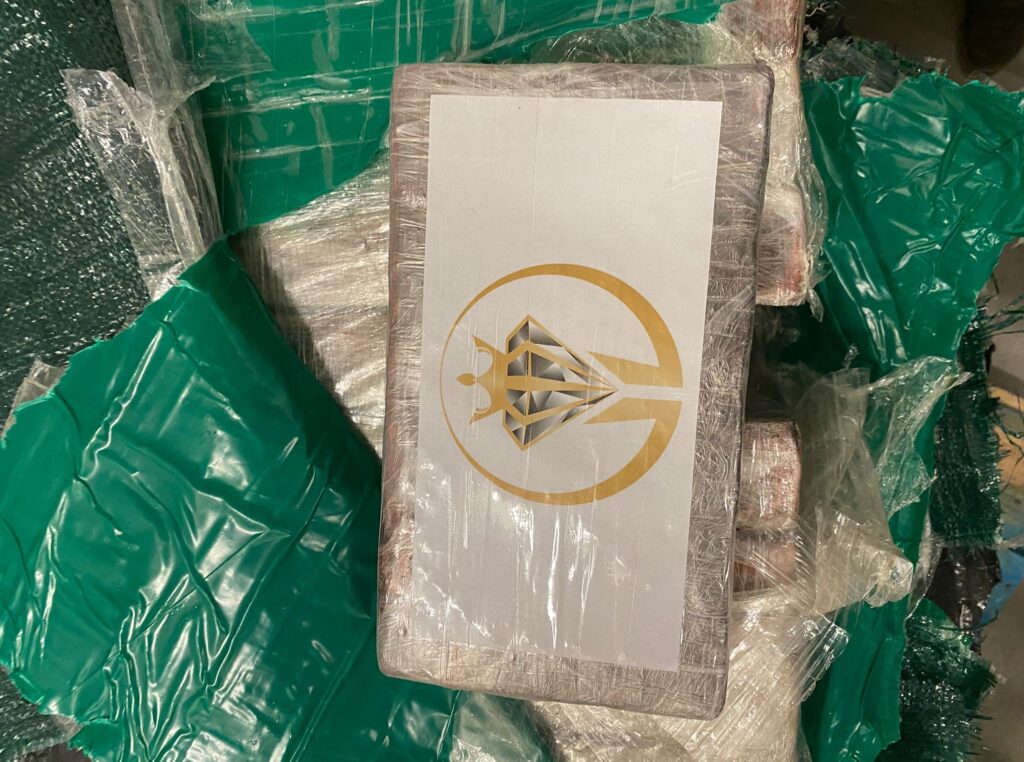
The Polícia Judiciária (Portuguese Criminal Investigation Police) led Operation “Azul 2.0”, in collaboration with MAOC-N and FRONTEX, and with the support of Europol, which culminated in the dismantling of a major cocaine trafficking route across the Atlantic Ocean, resulting in the seizure of 465 kg of cocaine, 42 kg of hashish, two high-speed vessels and 800 liters of fuel, between May 27 and June 15.
During the operational phase, maritime resources were mobilized in different areas of the Atlantic to detect, monitor, and intercept suspicious vessels involved in transporting cocaine from Latin America to Europe through complex transfers at sea. The authorities’ efforts focused on the Eastern Atlantic corridor, between the Canary Islands (Spain) and the Portuguese archipelagos of Madeira and the Azores.
This operation was launched following the identification of this modus operandi by the Judicial Police, in partnership with the countries participating in MAOC-N, which have been jointly strengthening maritime coordination and operational cooperation to achieve positive results.
Operational results:
• Over 465 kilograms of cocaine seized;
• Over 42 kilograms of hashish seized;
• 3 people arrested;
• 1 vessel seized;
• 2 high-speed vessels seized;
• 800 liters of fuel seized;
• 6 vessels inspected.
The joint effort of the various countries and anti-drug agencies involved in the operation has dealt a significant blow to what is known as the “Cocaine Highway.”
The information gathered will now allow for the identification and dismantling of the criminal networks responsible for these transatlantic operations.
The recent operation confirms trends that the MAOC-N and the countries it represents had identified at the beginning of last year: criminal networks are increasingly resorting to maritime transport of cocaine to reduce their exposure to action by authorities in major ports. Shipments are currently transported in several stages across the Atlantic:
• Mother ships collect cocaine in Latin America and travel hundreds or thousands of nautical miles to international waters. These vessels include container ships, bulk carriers, and smaller non-commercial vessels;
• Offshore transfers occur when the cargo is transshipped to high-speed vessels capable of long voyages, including semi-rigid inflatable boats and other fast vessels;
• In the final stage, high-speed vessels transfer the cocaine to smaller vessels destined for landing in remote coastal areas and small marinas, or unload directly onto beaches to avoid detection.
This model aims to spread the risk across multiple vessels and crews.
The operation was led and coordinated by the Polícia Judiciária (Portuguese Criminal Investigation Police), in collaboration with police authorities from Spain, France, the United Kingdom, and the United States of America. MAOC-N (Ministry of Internal Operations – North) supported the collection and analysis of information throughout the operation, and FRONTEX provided air assets.
Furthermore, Europol provided continuous support throughout the operational period, verifying operational data relating to monitored and intercepted vessels, both at sea and on land.
The preliminary conclusions of the operation reinforce the assessment that:
• International waters between the Canary Islands and the Azores are increasingly being used by criminal networks for large-scale cocaine transshipment operations, taking advantage of the area’s isolation and the operational challenges associated with maritime surveillance;
• This area has become known among the Authorities as the “Cocaine Highway” due to the growing number of vessels used to transport cocaine to Europe through this Atlantic corridor;
• Intelligence-driven maritime operations, combined with coordinated tactical interventions at sea, are essential to dismantling this trafficking model. The MAOC-N, together with European countries and various European agencies, plays a central role in this effort, integrating intelligence, operational data and international partners from both sides of the Atlantic.
All countries involved will continue to analyze the intelligence information gathered during the operation, with a view to supporting ongoing investigations, identifying associated criminal networks and strengthening the fight against maritime cocaine trafficking routes.